
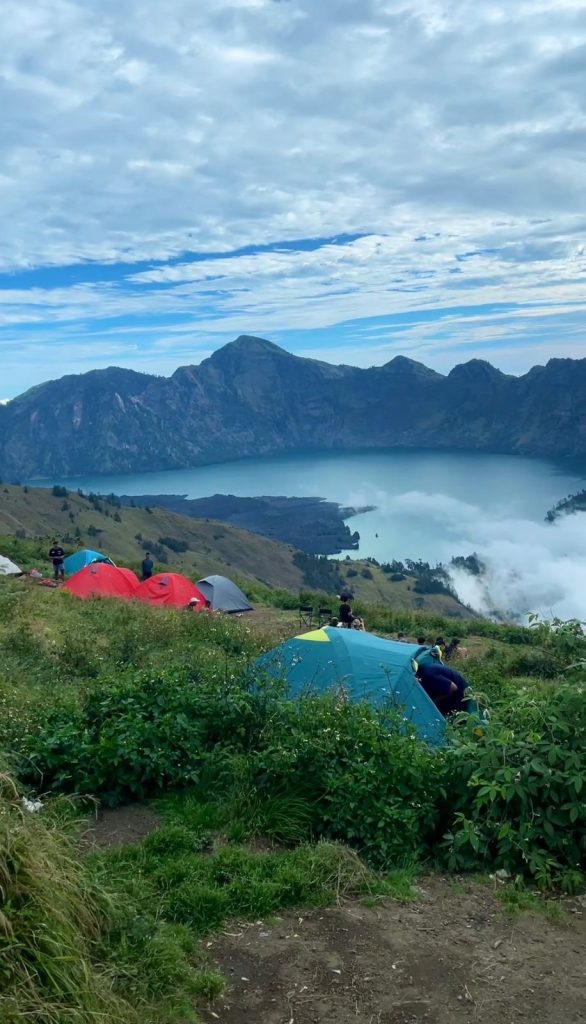
Mountain climbing is becoming increasingly popular among young people. Social media is filled with photos of mountain peaks with seas of clouds, a sight to behold. However, despite this beauty, climbing still carries risks that should not be underestimated.
The phenomenon of climbers climbing mountains simply because they’re following the crowd, or the Fear of Missing Out (FOMO), has become a concern for various nature enthusiast communities. Lack of physical preparation, limited terrain knowledge, and inadequate equipment are the main factors contributing to climbing accidents. Therefore, novice climbers need to understand that climbing isn’t just about hunting for content, but rather a wilderness activity that requires thorough preparation.
1. Prepare Your Physical Condition Before Departing
Climbing requires good stamina because the trail is often steep and draining. Therefore, prospective climbers are advised to engage in physical exercise such as jogging, cycling, or stair climbing several weeks before the climb. Being in good physical condition can reduce the risk of fatigue and injury during the journey.
2. Choose a Beginner-Friendly Mountain
For first-time climbers, it’s best not to immediately attempt a mountain with extreme terrain. Choosing a mountain with a relatively short route and a low difficulty level can help the adaptation process to climbing. Good initial experience will also improve your understanding of climbing techniques and etiquette. However, Mount Rinjani is considered a beginner-friendly mountain, as many beginner climbers have successfully climbed it( Trekking Rinjani).
3. Study the trail and weather forecast before climbing the mountain.
Before setting off, climbers must gather information about the climbing route, rest stops, water sources, and current weather conditions. This step is crucial for anticipating various potential hazards in the field, including frequent weather changes in the area.
4. Bring the Equipment You Need
Basic equipment such as special shoes, a warm jacket, a raincoat, a flashlight or headlamp, personal medication, and sufficient supplies are essential for any climb. The right equipment not only makes the trip more comfortable but can also provide safety in the event of an emergency.
5. Prioritize Safety And Preserve Nature
Reaching the summit isn’t the ultimate goal if safety must be sacrificed. Climbers must have the courage to stop their journey when weather conditions worsen or their physical condition no longer allows them to continue. Furthermore, every climber is obligated to protect the environment by not littering and not damaging the mountain ecosystem.
Climbing isn’t just about following a trend or FOMO. With thorough preparation, understanding the terrain, and a responsible attitude, the experience of exploring nature can be a safe and enjoyable activity, while also providing valuable lessons in resilience and a love of the environment.