
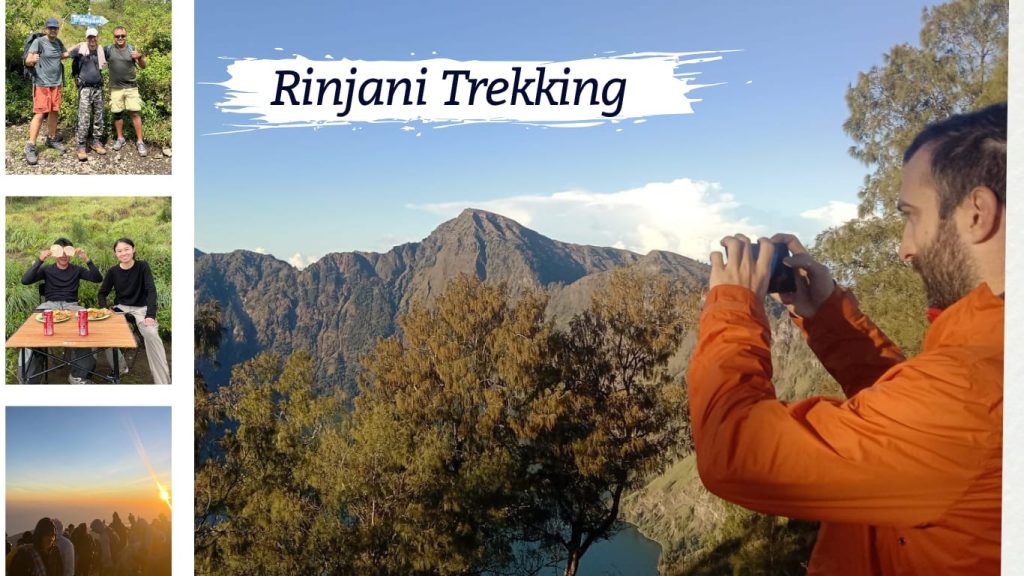
The majority of visits were from domestic tourists, but interest from international tourists also remained high. This increase in climbers is a strong signal that Mount Rinjani remains a leading destination for nature and adventure tourism in Indonesia.
“Tourist visits during the long weekend reached 1,505 climbers, consisting of both local and international tourists,” said Astekita, Head of the Administration Subdivision of the NTB TNGR Center in Mataram, Sunday (May 17, 2026).
According to TNGR Center data, the number of climbers on May 14 was recorded at 587. Then on May 15, it reached 453, and on May 16, it reached 466.
Of the total visits, 965 were domestic tourists and 540 were foreign tourists.
As reported by Between, several main hiking trails favored by tourists include the Senaru, Sembalun, Torean, Timbanuh, Tetebatu, and Aik Berik trails. These trails are known for offering unique Rinjani natural panoramas, ranging from savannahs and tropical forests to views of Lake Segara Anak.
The TNGR Center also recorded an increasing trend in visits compared to the previous week. In the previous period, the number of climbers was recorded at 1,216.
“Compared to last week, the number of visits during the long weekend saw a significant increase,” said Astekita.
Amidst the increase in hiking tourism, the TNGR Center has begun strengthening safety and comfort facilities for climbers. One way to do this is by building rest shelters along several Mount Rinjani hiking trails.
Budhy Kurniawan, Head of the NTB Mount Rinjani National Park (TNGR) Center, stated that the facility is designed as a safe resting place for climbers who need a place to rest or shelter from extreme weather.
“This shelter is built with a sturdy structure and ergonomic design. It will also be equipped with solar panels to support environmentally friendly energy along the hiking trail,” said Budhy.
According to him, the construction of the rest shelter is part of the national park management’s commitment to improving the quality of nature tourism services without neglecting environmental conservation aspects.
Budhy emphasized that the facility is not simply a shelter, but a symbol of efforts to maintain a balance between tourism activities and the preservation of Mount Rinjani’s ecosystem.